An oversized cardigan is the most forgiving piece in a knitwear drawer and the easiest one to get wrong. Worn over the wrong base, it reads as a blanket you forgot to take off. Worn over the right one, it pulls an entire outfit together in about ten seconds. The difference comes down to three things: the weight of the knit, what sits underneath it, and where the outfit stops being soft and starts being sharp. Below are three complete formulas — office, weekend, evening — plus the small adjustments that make each one hold.
Start by Reading the Knit
Not every oversized cardigan can do every job. Before you build an outfit, decide which category yours falls into.
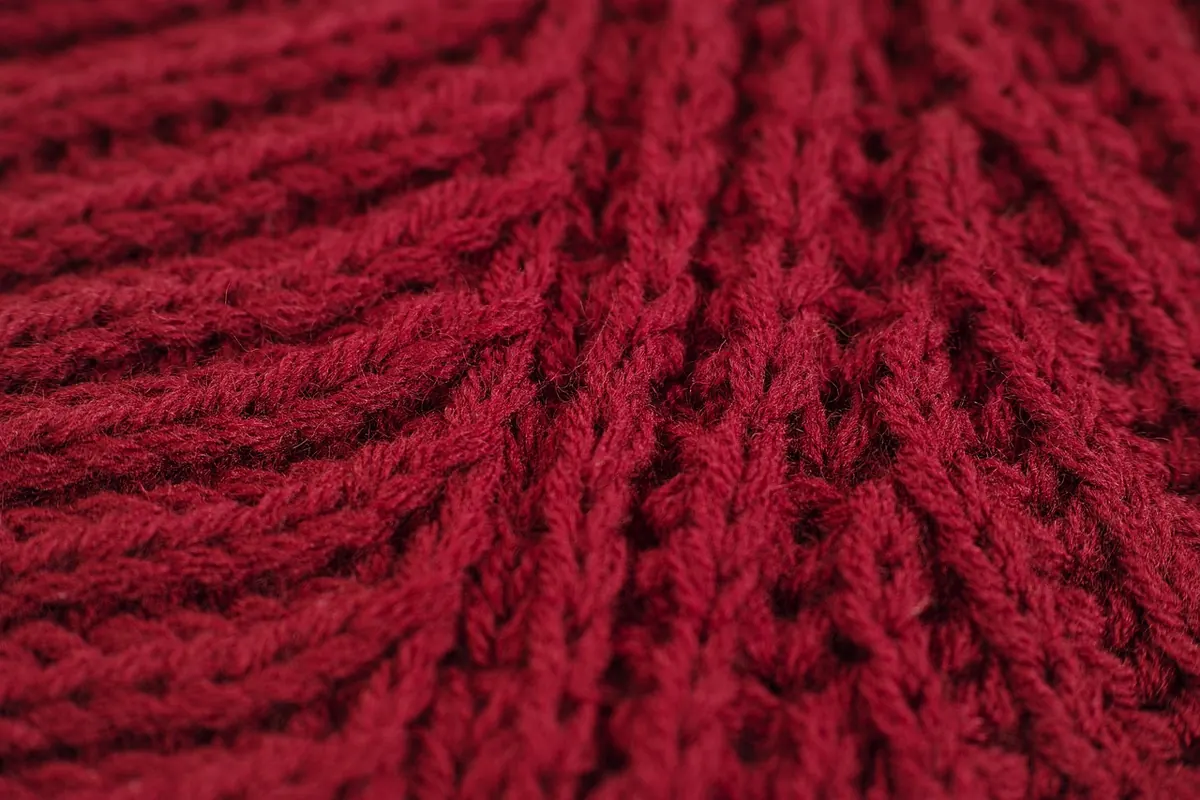
- Fine gauge (merino, cotton blends, silk blends): the most useful weight. It drapes instead of bulking, so "oversized" reads as relaxed rather than sloppy. This is your office cardigan.
- Mid-weight wool (lambswool, alpaca blends): warmer, slightly hairier, better for weekends. It looks best as the outermost layer.
- Chunky hand-knit: treat it as outerwear, not as a layer. It will not fit under a coat, and it should not try.
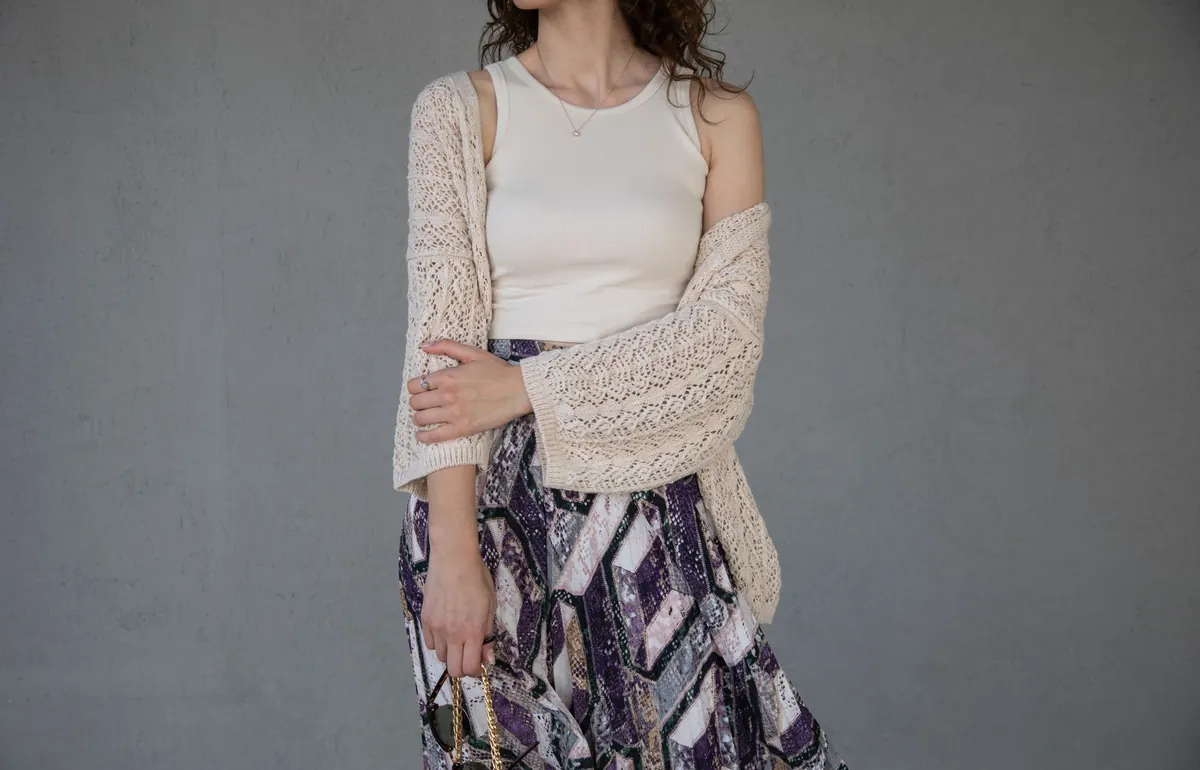
Length matters just as much. A cardigan that ends around the hip is the most versatile. A longline or duster style is an instant outfit — wear it the way you would wear a coat. A cropped-oversized shape is the hardest to style, so keep everything beneath it close to the body.
Formula One: The Office
The goal here is contrast: structure underneath, softness on top.
Take a fine-gauge cardigan in navy, charcoal, or oatmeal and wear it open over a shirt tucked into straight-leg trousers. A white cotton poplin shirt and charcoal trousers is the cleanest version; a fine-gauge knit tank works just as well if you run warm. Add a slim leather belt, pointed flats or a low block heel, and a small structured bag. Push the sleeves up to mid-forearm so your wrist and watch show — that single move stops the cardigan from swallowing you.
If your office is more relaxed
Swap the shirt for a ribbed knit tee and the trousers for dark denim without fading or distressing. Add loafers. The cardigan stays the same, which is the point: one knit, two dress codes.
If you need to look senior in the room
Keep the cardigan and trousers in one tonal family — camel over chocolate brown, or grey over charcoal — and let the shirt provide the only contrast. Add a silk scarf at the neck and keep the jewellery to a single piece. Big knit plus big colour plus big accessories is what makes an outfit look uncertain.
Formula Two: The Weekend
Here you can afford more volume, as long as something in the outfit is fitted or cropped.
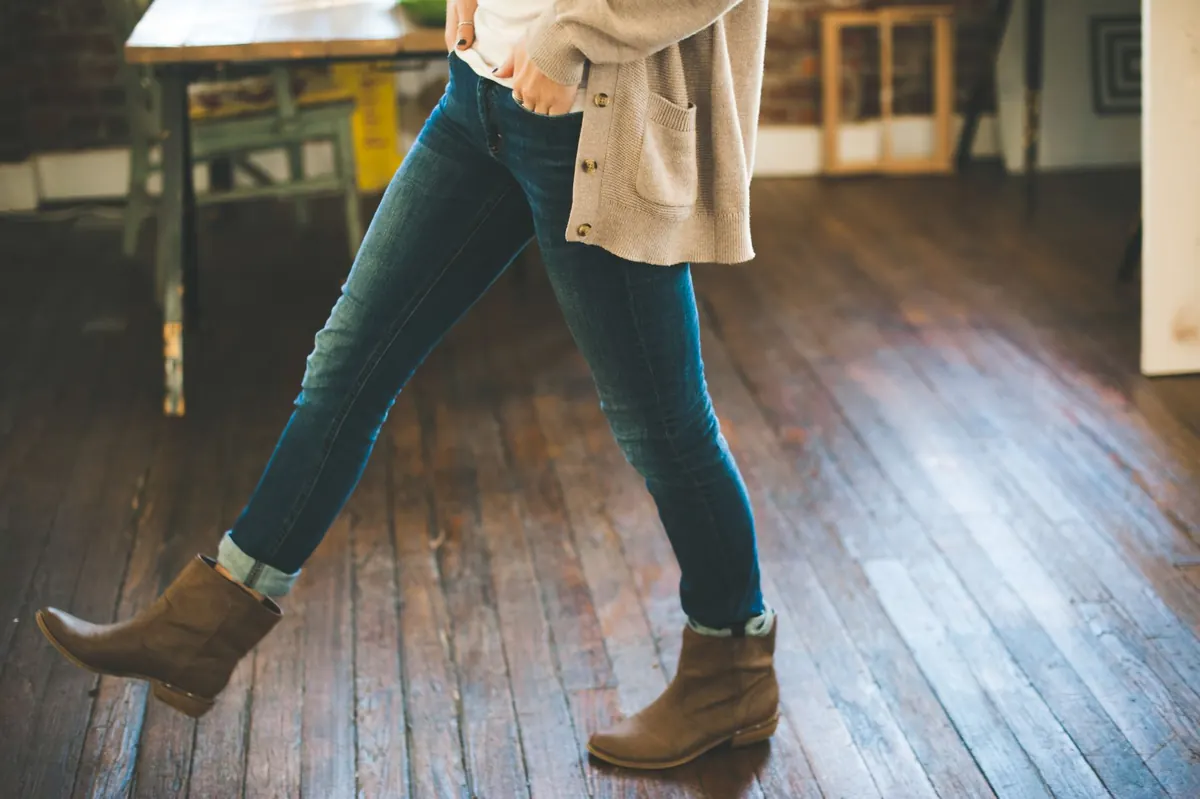
Pull on a chunky oat or camel cardigan over a heavyweight white tee and straight-leg jeans. Half-tuck the tee at the front so the waistband shows. Finish with leather sneakers or a low ankle boot, and a crossbody bag with the strap landing at your hip — it visually breaks up the width of the cardigan. If you are running errands in leggings, go longline: a cardigan that reaches mid-thigh over leggings and a fitted tank looks deliberate, while a hip-length chunky knit over leggings looks like pyjamas.
Cold-morning version
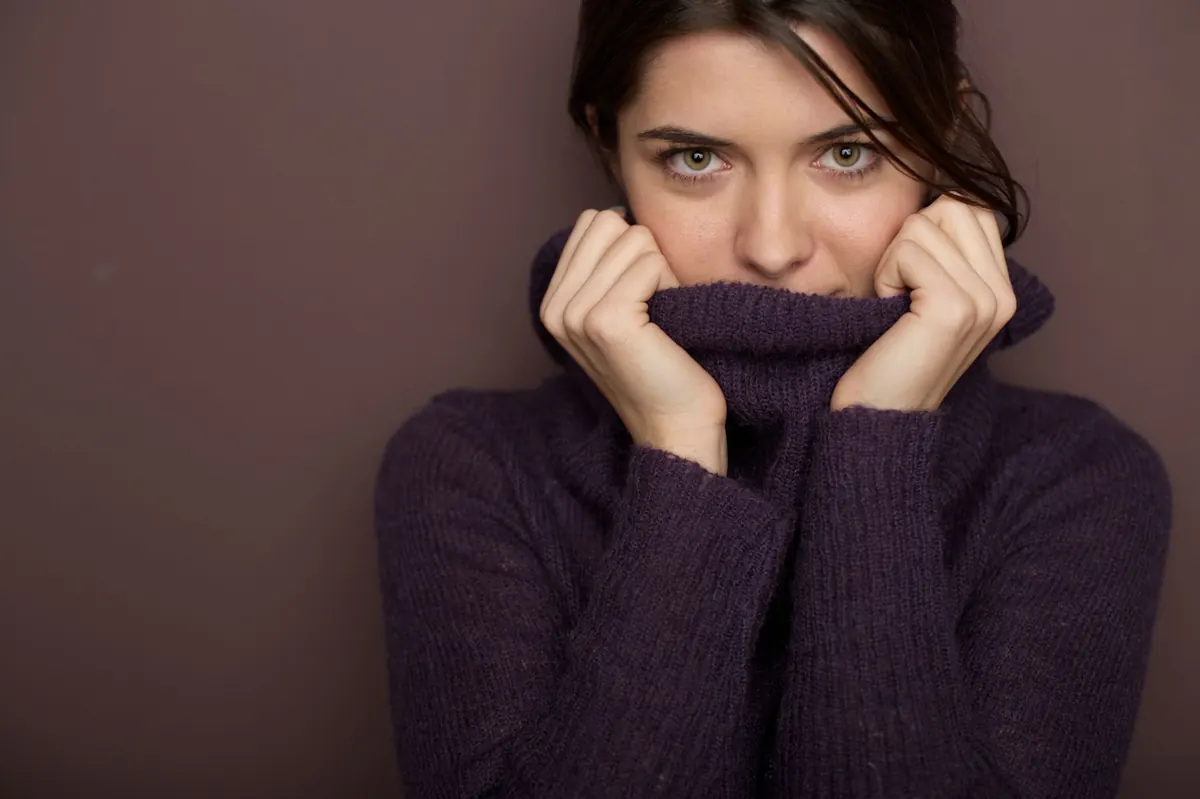
Swap the tee for a thin merino turtleneck and add a wool scarf. Skip the coat — the cardigan is the outer layer, and adding a jacket on top will flatten the shoulders and make you look wider than you are.
Formula Three: Evening
At night, a longline cardigan earns its keep when you treat it exactly like a coat.
Wear a black or deep green longline cardigan open over a satin slip dress or a column dress in a midi length. Heeled mules, a small clutch, gold hoops. The knit softens the shine of the dress; the dress keeps the knit from looking sleepy. If you would rather wear trousers, a fine black cardigan over a silk camisole with tailored trousers and a heel does the same job in a sharper register.
The cardigan-as-top option
Button a fine-gauge cardigan all the way, leaving the bottom two buttons open, and tuck it into high-waisted trousers with a slim belt. Worn this way it becomes a knit top rather than a layer, which works well for dinner in a warm room. Keep the jewellery to one metal — gold with cream and camel, silver with grey and black.
Five Rules That Carry Across All Three
- One volume per outfit. If the cardigan is big, the trousers or skirt should be straight or slim. Two loose pieces need a tucked waist between them.
- Anchor the waist. A half-tuck, a belt, or a cardigan buttoned at the middle button gives the eye a place to land.
- Match knit weight to base layer. Chunky knit over thin silk looks intentional; chunky knit over a chunky jumper does not.
- Cap the palette at three tones, with the cardigan either the lightest or the darkest thing you are wearing.
- Do something with the sleeves. Push, roll, or cuff them. Sleeves hanging past the wrist add weight to the whole silhouette.
Try One Formula This Week
Pick the version that matches your calendar, wear it once, and note what felt off — usually it is the sleeve length, the shoe, or the bag strap. Fix that one thing and the outfit is yours. Oversized cardigans reward a little repetition: once you know which base layers and shoes work with yours, dressing for work, errands, and dinner takes about two minutes each. Keep a white shirt, a fine knit tank, straight-leg trousers, and one good pair of shoes in rotation, and you will never stare at the cardigan wondering what to do with it again.
Photo: Snapwire / Pexels