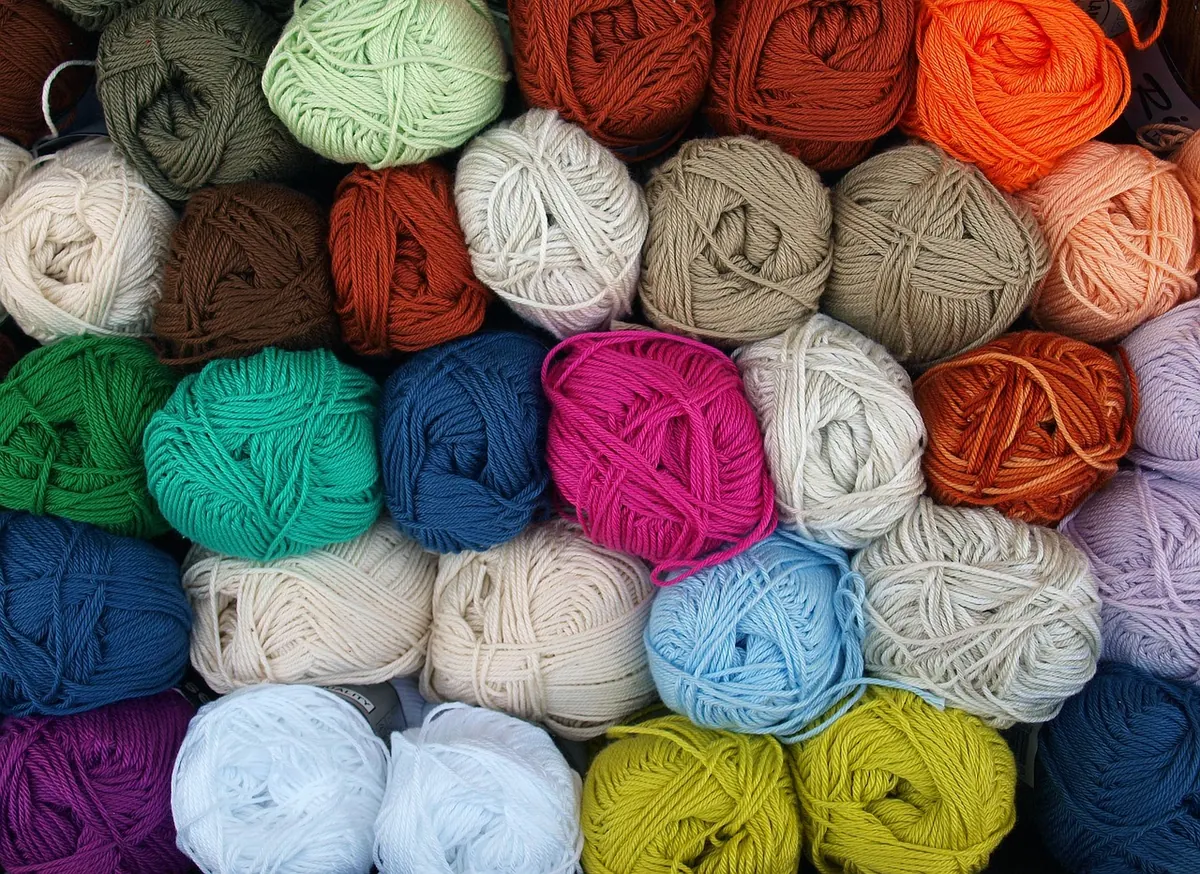
A sweater can look perfect on the hanger and still disappoint you by February. It pills under the arms, itches at the collar, or turns into a shapeless rectangle after one warm wash. Most of the time, the fiber is the reason.
Wool, cotton and cashmere behave differently in ways you can feel within a minute of putting them on. Knowing what each one does well, and where it fails, makes shopping far simpler, whether you're spending a little or a lot.
What Each Fiber Actually Is
Wool and cashmere are animal proteins; cotton is a plant fiber, made mostly of cellulose. That single difference explains much of what follows. Protein fibers are springy, hold warmth and handle moisture gracefully. Cellulose fibers are smooth, absorbent and relatively inelastic.
Cashmere isn't a sheep's fleece. It's the fine undercoat combed from cashmere goats, which is a big part of why it costs what it does.
Wool: Warmth, Spring, and Occasionally an Itch
Wool's structure is the source of its strengths. Each fiber has a natural crimp, tiny waves that trap air, and a scaly outer layer that lets fibers grip one another. That's why a wool sweater feels springy instead of limp, and why it bounces back after a day of wear rather than sagging at the elbows.
It also handles moisture unusually well. Wool can take in a fair amount of water vapor without feeling damp, and it keeps insulating when wet. Walk to the station in light drizzle and a wool sweater still keeps you warm; a cotton one turns cold and heavy.
Not all wool is the same. Merino is fine and soft enough for most people to wear against bare skin. Lambswool, the first clip from a young sheep, is usually softer than standard wool and slightly less hard-wearing. Coarser wools such as Shetland are tough and well suited to cardigans and outer layers, but they can prickle.
If wool makes you itch, the cause is usually fiber coarseness rather than a true allergy. A fine merino or a wool-and-cotton blend often solves the problem.
Care and lifespan
Wool resists odour and creases, so airing a sweater between wears is often enough. Wash it cool by hand or on a wool cycle with a gentle detergent, never wring it, and dry it flat. Superwash wool, treated so it can go in the machine, is convenient but tends to stretch, so dry it flat anyway.
Cotton: Easygoing, but Not Built for Cold
Cotton has no crimp, so it traps less air. That makes it a weak insulator for its weight: a chunky cotton knit can feel heavy and still leave you chilly on a windy day. It also soaks up water and dries slowly, which is why cotton is the wrong choice for a wet, cold commute and the right one for spring evenings, air-conditioned offices and layering.
Where cotton wins is maintenance. It survives regular machine washing, doesn't feed clothes moths, and rarely feels scratchy. Weak points: hot water and a hot dryer will shrink it, heavy cotton knits stretch at necklines and cuffs, and lower-grade cotton pills with friction.
Look for combed, long-staple cotton, often sold as Pima, Supima or Egyptian, if you want softness and fewer pills. Wash warm, dry flat or on low, and keep anything you love out of a hot dryer.
Cashmere: Light, Warm, and Finicky
Cashmere is warmer than wool by weight, softer than almost anything else, and it drapes instead of sitting stiffly. That combination is why a thin cashmere crewneck can replace a bulky wool one on a mild winter day.
The trade-off is strength. Cashmere fibers are fine and have little crimp, so they work loose and pill, especially where a bag strap, seatbelt or coat rubs. It is not a fiber for hard wear.
Care is the price of entry. Hand wash in cool water with a gentle detergent, press the water out rather than twisting, dry flat, and comb away pills with a cashmere comb. Fold cashmere sweaters instead of hanging them, which stretches the shoulders. Store them clean, because moths like protein fibers.
Warmth, Durability, Cost and Care at a Glance
- Warmth for weight: cashmere first, wool a close second, cotton last.
- Durability: cotton and wool are both strong; wool holds its shape better; cashmere is the most delicate.
- Cost: cotton is the most affordable, wool sits in the middle, cashmere is the most expensive. Think in cost per wear, not price on the tag.
- Care: cotton is the easiest, wool needs a careful wash, cashmere needs the most attention.
- Best in: wool for cold and damp, cotton for mild weather and layering, cashmere for a light layer you'll reach for often in cool conditions.
Blends, Labels and the Fine Print
A wool sweater with some nylon in it isn't a cheat. The nylon adds strength, particularly in thin knits and socks. Read the percentages, though, and note the order: they run from largest to smallest. A "cashmere blend" with a few percent cashmere is mostly something else with a soft feel.
Yarn structure matters as much as fiber. Two-ply yarns, twisted from two strands, resist pilling better than single-ply ones. Gauge matters too: fine-gauge cotton can be cooler and dressier than a chunky wool knit, so compare like with like before deciding one fiber is warmer than another.
Choosing for Your Lifestyle
Start with climate and laundry habits rather than the label. If you live somewhere genuinely cold or damp, wool earns its place, and a mid-weight merino crewneck will outperform almost anything else at the same price. If your winters are mild or you run warm, cotton and cotton-blend knits will get worn far more often than a heavy wool sweater. Cashmere makes sense for one or two pieces you'll wear regularly in cool weather, not for a sweater that goes hiking.
Then be honest about washing. If you know a sweater will end up in the machine with everything else, buy cotton or superwash wool and accept the trade-offs. If you're happy to hand wash a few pieces a season, you can shop for the finer fibers.
A good rule: buy the fiber that matches your laundry habits as much as your climate. A sweater you're afraid to wash stops getting worn.
Finally, buy the fit you want now. Sweaters relax with wear, especially cotton and looser knits, so a piece that already feels tight at the shoulders will only get tighter. Fold rather than hang, let a knit rest a day between wears, and it will stay in rotation for years.
Photo: wilhei / Pixabay